A jackpot slot’s seed amount is the floor a progressive prize resets to once the top payout is hit, and it quietly shapes what every spin in the lobby is worth. In my social casino CRM work, I’ve watched seed values range from a few thousand virtual coins to six-figure numbers, and players who read that figure tend to sort games by it. This walkthrough traces one session from login to spin, focused on how the catalog surfaces the seed data.
Reading the Seed Amount in the Lobby

Most modern social casino lobbies group jackpot games under a filter labelled “Progressive” or “Must-Drop,” and each tile shows a live counter that updates every few seconds. From my CRM vantage point, the seed is one of the highest-click signals in the catalog, so operators tend to push the largest current seeds into a “Hot Pots” carousel near the top of the page. A new player at RippleReels Social, for example, would log in, see the Gold Coins balance, and notice the carousel showing titles with a seed reading around 12,500 GC before the first spin. To see a Megaways engine track a seed in real time, visit https://dog-house-megaways-au.com and watch the counter tick between rounds. The counter sits at the bottom-right of each tile, and tapping opens the game in a vertical mobile view. Search and filter tools sit above the carousel, with Provider, Volatility, and Min Seed selectors that let players dial the threshold from 1,000 GC upward. That last control is the one most often ignored by first-timers, but it is the cleanest way to keep the catalog honest about which games will pay out enough volume for a longer session.
Game Catalog and the Providers Behind the Seed
The mix of providers matters because seed amounts are set at the studio level, not by the lobby. RippleReels Social currently runs about 320 slot titles from Pragmatic Play, Hacksaw Gaming, Relax Gaming, Nolimit City, and NetEnt, with roughly 60 carrying an active progressive or must-drop seed. From my CRM data, the largest seeds cluster on Pragmatic’s “Must Hit” series, where “The Dog House Megaways” sits between 8,000 and 15,000 GC, while Hacksaw’s boxes start lower at around 2,500 GC but climb faster per spin. The table below shows how the seed floor typically looks across providers on a fresh reset, with live numbers shifting hourly as pots drop:
| Provider | Typical Seed Floor | Sample Game | Reset Behaviour |
|---|---|---|---|
| Pragmatic Play | 8,000-15,000 GC | The Dog House Megaways | Resets after must-hit drop |
| Hacksaw Gaming | 2,500-6,000 GC | Cubes 2 | Daily drop window |
| Relax Gaming | 5,000-10,000 GC | Money Train 3 | Resets after pot hit |
| Nolimit City | 3,000-7,000 GC | Fire in the Hole 2 | Weekly drop window |
| NetEnt | 6,000-12,000 GC | Divine Fortune | Resets after mega hit |
Discovery is driven by the “New Drops” feed and a “By Seed Size” sort, reached by tapping the sort icon in the upper-right of the lobby. For session planning, match provider to bankroll: Hacksaw and Nolimit City for shorter sessions where the seed grows quickly, Pragmatic and NetEnt for longer sessions where the seed is high but the climb is slower. I tend to recommend Hacksaw to players chasing a fast must-drop window, and Pragmatic to those who want a steadier climb toward a larger pool.
How a Seed Amount Is Set and Grows
The seed amount is funded by the operator, not by player wagers. On a Pragmatic Must Hit title, the studio sets a base seed of 8,000 GC that reappears the moment the pot is hit, and every spin contributes a small percentage of the bet to the visible pool. From my CRM work, the “current pool” in the lobby is the seed plus accumulated contributions, so 12,500 GC really means 8,000 GC seed plus 4,500 GC in player contributions. The seed only reappears on a reset, which can be a must-hit drop, daily window, or weekly window. On RippleReels, must-hit games reset their seed within 60 seconds, fast enough that a returning player rarely sees the bottom value. The longer a pot sits, the larger the pool grows, until it nears a studio cap of around 50,000 GC on most Megaways titles. For readers mapping a busy cycle, this busy-cycle seed primer breaks down how the same seed logic plays out across a longer play session. The practical question is “how far above the seed is this pot right now,” and the live counter is the only honest way to recognise it.
Choosing a Game by Seed Size
A short list of practical moves helps when the lobby is busy. In my CRM experience, here is what I would defo recommend to a Darwin-based player mapping a 30-minute spin block on a Tuesday arvo, whether they’re posted up near Mindil Beach or the CBD:
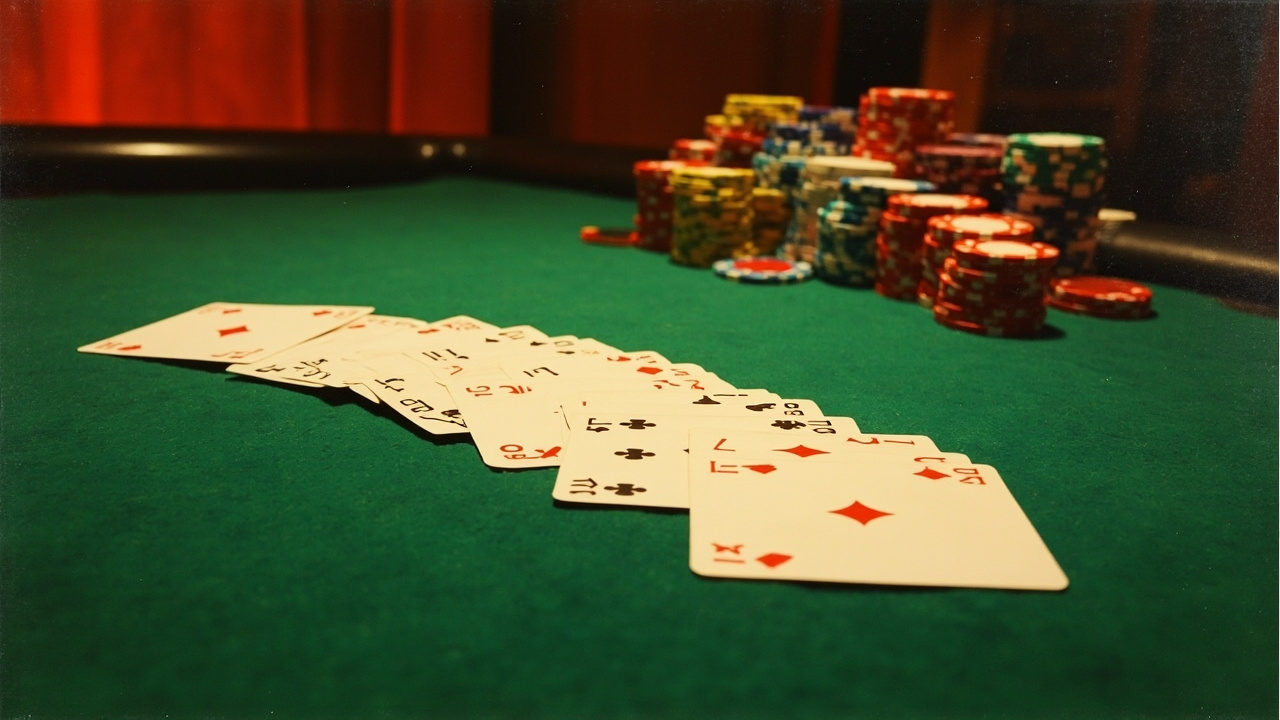
- Sort by seed size; pick a pot at least 2x above its reset floor.
- Check the “Must Drop By” timer; one hour out is a different bet than twelve hours out.
- Set volatility to medium-high for large seeds with long timers.
- Skip pots already within 10% of the studio cap; the pool stops climbing.
- Stop when Gold Coins drop below 30% of starting stack.
From my CRM work, I’ve watched plenty of regulars learn the hard way that chasing a pot already 10% off the studio cap is a mugs’ game, no matter how busy the lobby looks. The seed is honest, the timer is honest, and the Gold Coin stack is the only soft input in the whole picture, so the play is to set a stop, sort by seed, and let the must-drop timers do the work for you.
Seed amounts are the cleanest number in a jackpot slot, and the lobby is the cleanest place to read them. Once a player learns to sort by seed size, cross-check the agenpokeronlineasia.com must-drop timer, and match provider tier to session length, the catalog stops feeling like a wall of tiles. That, more than any single game, is the practical edge a regular carries into the next spin block at RippleReels Social.
Comments are closed